Years Of Expertise
With years of experience in FRP product development and manufacturing, we guarantee efficient production and quick delivery without compromising on quality.




We Are Open 24 Hours a Day, 7 Days a Week, Including Weekends and Public Holidays.


Years Of Expertise
With years of experience in FRP product development and manufacturing, we guarantee efficient production and quick delivery without compromising on quality.

Custom Solutions
We offer tailored FRP products to meet the unique needs of each client, ensuring the best fit for their specific requirements.

Premium Raw Materials
Using only high-quality materials, we ensure our products deliver exceptional strength, durability, and resistance in all conditions.

Reliable After Sales Support
Our dedicated team provides ongoing support, from installation to maintenance, ensuring a seamless experience for our customers.
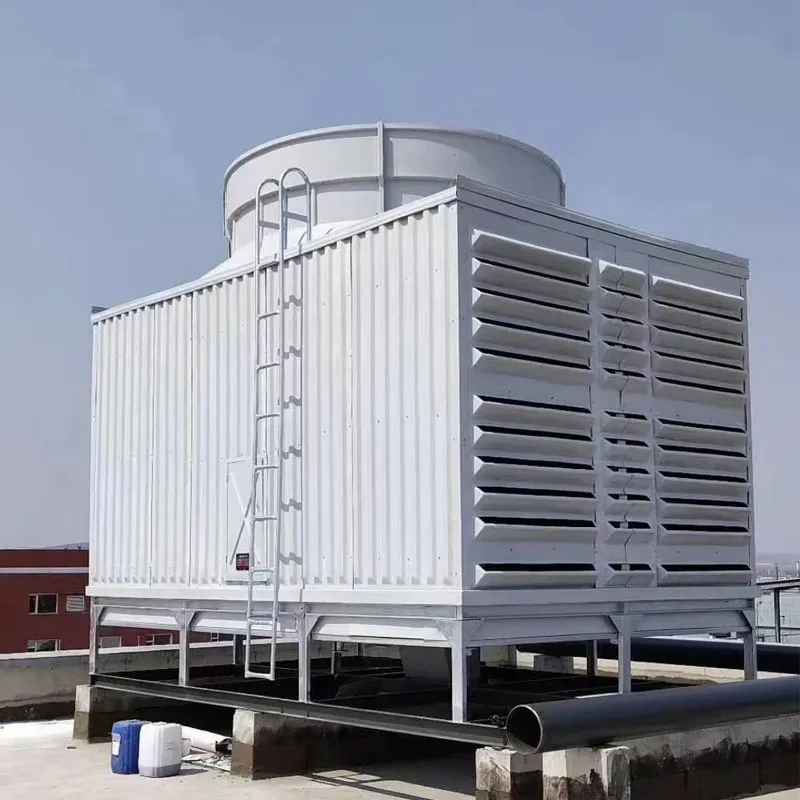
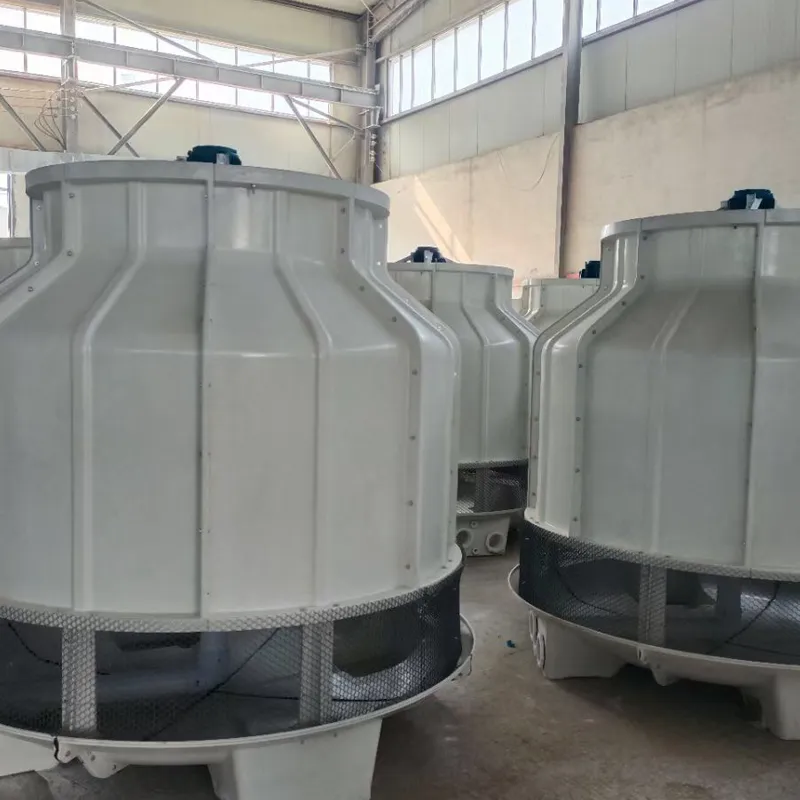
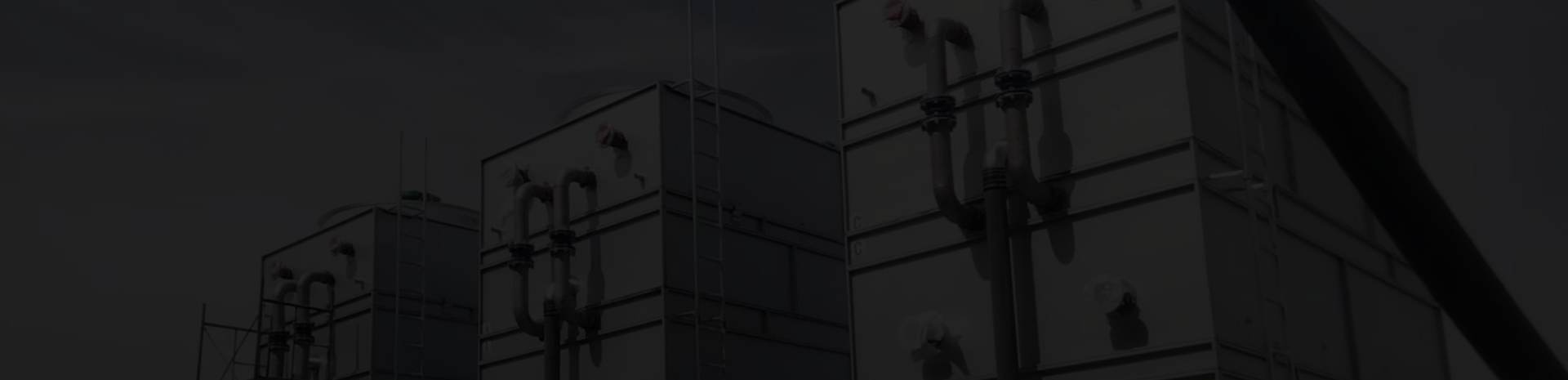
Cooling Tower plays an indispensable role in the water circulation system of modern industrial production and large buildings. It uses efficient heat exchange principles to cool the hot water discharged from industrial equipment or air conditioning systems and recycle it, which not only reduces energy consumption but also ensures the stable operation of various facilities. As a device that integrates thermodynamics, fluid mechanics, and materials science, the design and performance of Cooling Tower are directly related to industrial production efficiency and energy sustainability. The working principle of Cooling Tower is based on the heat exchange between air and water, mainly divided into two categories: natural ventilation and mechanical ventilation The natural ventilation chiller and cooling tower system relies on air convection formed by the height of the tower to disperse hot water into small water droplets in the packing layer, which release heat upon contact with rising cold air; The mechanical ventilation cooling tower uses fans to forcibly suck in air, accelerating the heat exchange process, and is suitable for scenarios with high heat dissipation requirements. Regardless of the type, its core structure includes a hot water distribution system, packing layer, ventilation device, and collection tank, all of which work together to achieve efficient cooling. The performance advantages of Cooling Tower are reflected in multiple dimensions Firstly, it is efficient and energy-saving, reducing water resource consumption through water recycling, and indirectly saving electricity by reducing the load on refrigeration equipment; Secondly, it has strong adaptability and can adjust design parameters according to the heat dissipation needs of different industries. For example, large chillers with cooling towers chiller with cooling tower in the power industry can handle thousands of tons of hot water flow per hour, while cooling towers for small buildings can be flexibly installed in limited spaces such as roofs; In addition, modern Cooling Towers use corrosion-resistant materials and anti scaling technology to extend equipment life and reduce maintenance costs. In practical applications, the presence of Cooling Tower can be found in various industries In the field of electricity, cleaning cooling towers provide cooling water sources for steam turbine condensers in thermal power plants, ensuring full load operation of the units; In the chemical industry, it is used to cool the high-temperature wastewater discharged from reaction vessels and distillation towers to avoid equipment damage due to overheating; In commercial buildings, the cooling tower of the central air conditioning system can maintain comfortable indoor temperatures while reducing overall energy consumption. Even in data centers, Cooling Tower ensures stable operation of large data centers by cooling server cooling systems. With the advancement of green and low-carbon concepts, the technological innovation of Cooling Tower continues to deepen The application of new energy-saving fans and variable frequency control systems enables them to adjust operating power according to real-time heat dissipation requirements, further reducing energy consumption; Environmentally friendly fillers and water treatment technologies reduce the growth of microorganisms such as Legionella and improve operational safety; In addition, designs such as solar assisted ventilation and rainwater recycling have taken a new step towards eco-friendly condenser pump cooling towers . In summary, the Cooling Tower, as a key heat dissipation device in both industrial and civilian fields, has become the core of the energy cycle system due to its efficient heat exchange capacity, wide applicability, and continuous technological upgrades. It not only supports the stable production of modern industry, but also plays an important role in energy conservation, emission reduction, and water resource protection. In the future, with the integration of materials science and intelligent control technology, Cooling Tower will develop towards greater efficiency, environmental friendliness, and intelligence, providing solid equipment support for sustainable development goals. Cooling Tower FAQs What is the working principle of Cooling Tower? The Cooling Tower dissipates heat through the contact of water and air, using the principle of evaporative cooling to lower water temperature. Hot water sprays down from the top and exchanges heat with the rising air. Some of the water evaporates and takes away heat, while the remaining cooled water flows back to the system for recycling. What are the main types of Cooling Towers? The common cooling towers are divided into natural ventilation type, mechanical ventilation type, and mixed ventilation type. Natural ventilation towers rely on natural convection of air, mechanical ventilation towers use fans to force airflow, and hybrid ventilation towers combine the characteristics of both to improve efficiency. In what aspects is the energy-saving design of Cooling Tower reflected? Energy saving design includes high-efficiency fans, variable frequency control, optimized packing structure, and heat recovery systems. These technologies can reduce electricity consumption, improve heat exchange efficiency, while reducing operating noise and maintenance costs. What are the maintenance priorities for Cooling Tower? Regular cleaning of fillers, inspection of water quality, removal of sediment, and lubrication of fan bearings are key maintenance steps. Preventing algae growth and scaling can extend equipment lifespan and ensure stable heat dissipation efficiency. In which industries is Cooling Tower most widely used? Cooling Tower is widely used in the power, chemical, pharmaceutical, and food processing industries. These fields require a continuous and stable cooling system to ensure the normal operation of production equipment.




Address
20 Xingyuan South Street, Zaoqiang County, Hengshui City, Hebei Province, China